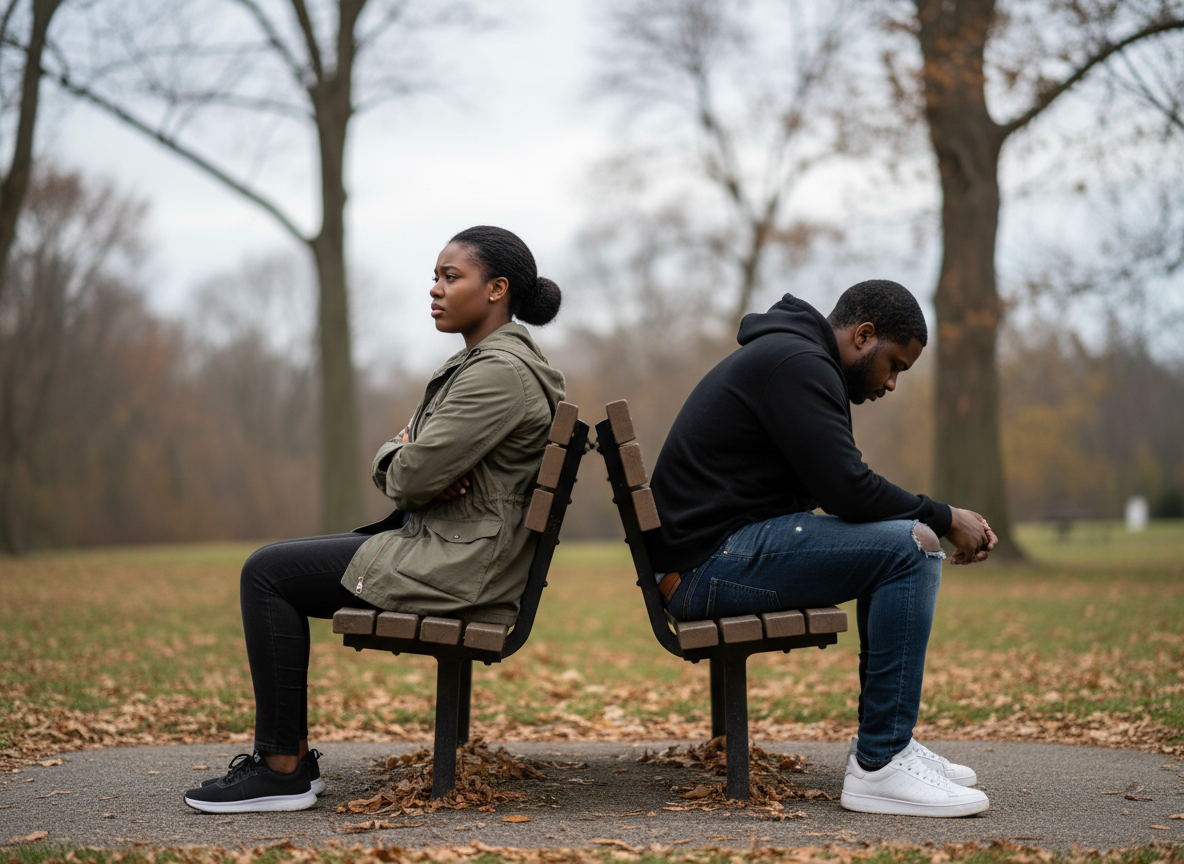

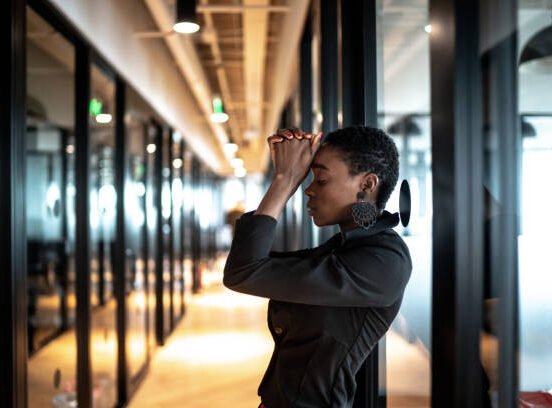
Can we talk about the burden of emotional labor of Black Women? It’s the unpaid labor that Black Women experience. Workplace trauma (especially but not limited to corporate settings) leads to increased distress, increases cases of chronic diseases, lowers mental health, and lowers life expectancy far too consistently for Black Women. It is a weight forced upon Black Women on a daily basis that leads to mental health distress, increased health risks, and lowers quality of life and life expectancy and we need to talk about it!
The emotional labor of Black Women, which I also like to refer to as, Emotional Slave Labor is the work that an individual does to maintain a relationship or position, be it personal or professional. It often requires one to manage and regulate their emotions to meet the demands of their circumstances or accommodate others who aren’t doing the same (if any) EL. So often, and without request or consideration, the burden of emotional labor of Black Women is forced upon us. This includes the imposed processing and non-negotiable acceptance of microaggressions in the community, educational sectors, medical arenas, and the workplace.
We are then attempting to regulate our emotions to fit into their roles within corporate settings (more work). Having to constantly look happy for the appeasement of others, be empathetic for things you don’t care about, or express emotions and feelings that are not necessary for the successful completion of your job can lead to performance anxiety and burnout.
The burden of emotional labor of Black Women is often required for service-centered jobs, caregiving, and other client-facing positions but the added labor experienced by black Women is much higher. It requires that the laborer constrains and dismisses their feelings for the comfort of others. Black Women unwillingly enter these agreements to avoid being the center of unwanted attention.
When Black Women experience this kind of hyper-visibility and invisibility simultaneously, it can lead to stress with eventual physical and mental health implications. It often feels like everyone wants our rhythm but never our blues, leaving Black Women with the emotional burden. Authors like Zora Neale Hurston wrote about the loads carried by Black Women in the 1930s. It has been nearly 100 years, and still, we remain seen and ignored as the “mule of the world” (1937/1998).

Some studies like one conducted in 2011 by Durr and Harvey Wingfield, speak about the challenges Black Women face when forced into emotional labor as a way of surviving PW workspaces. Many women report anxiety and exhaustion after having endured either verbal or non-verbal exchanges with their white colleagues where they are often picked apart and then leaned on and expected to perform above and beyond to get a “meets expectations” at the end of the year.
I have spoken with Black Women over the years about how they have experienced unwanted advances for “friendship” outside of work and when they refused, were the source of weaponized anger caused by the fragility of their colleagues after the audacity of the laborer’s boundaries and autonomy. Rarely ever was the colleague reprimanded for creating hostile work environments and in fact, some studies have shown that racism exhibited by white co-workers was rewarded. Research conducted by Berdahl & Bhattacharyya as recently as (2024) showed specifically that when white women engaged in anti-black and otherwise racist behaviors, they were in fact rewarded with higher status than those who didn’t participate.
It is important that the emotional labor of Black Women is validated and that Black Women set boundaries from the beginning. Even if this is not the beginning for you, it is not too late to start. It is okay to say no politely when being asked to carry emotional labor that is not your own. Establishing boundaries early on, minimize the likelihood that people at work will continue attempting to siphon your emotional resources.
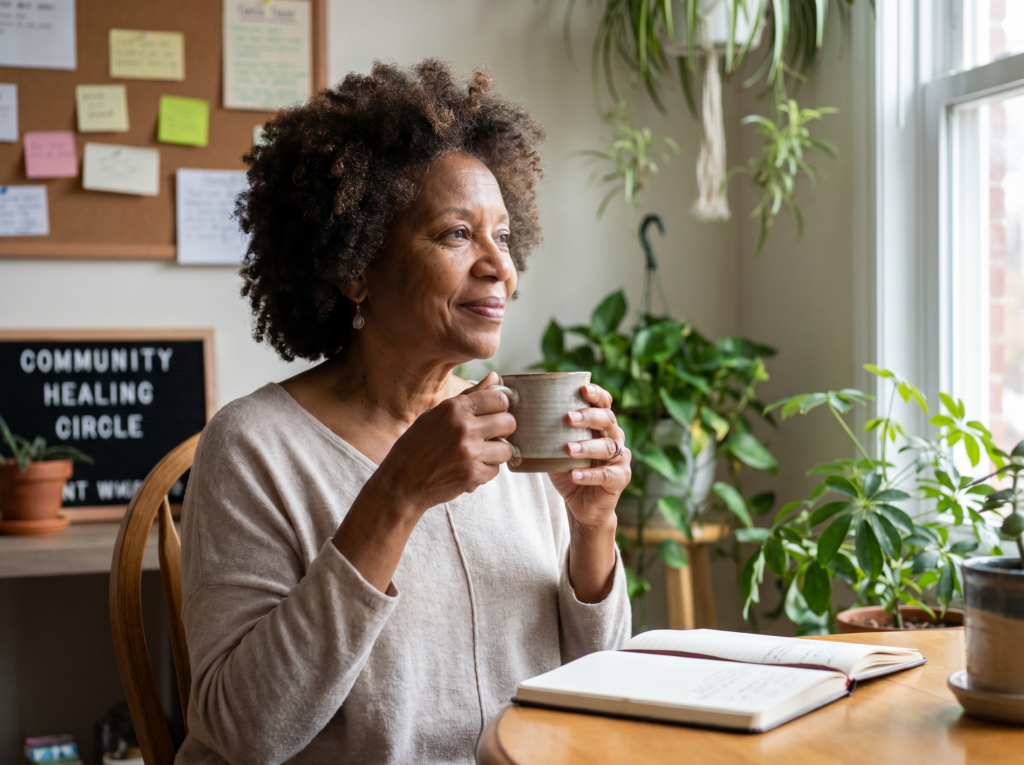
You are not alone. There are so many others who can relate to your experience and even offer advice on how to handle specific situations. Building a network with people who have the awareness and capacity can lighten the load for you and serve as a reminder that you are not alone. Connecting and building community like Self-Care Sunday, an exclusive processing group for Black Women in Texas, and building while healing with others who understand your stressors. The unique challenges and complexities of being the only Black face in the place or simply working in PW spaces can serve as a source of safety, strength, and relief. Everyone deserves community and no one of us has to walk alone.
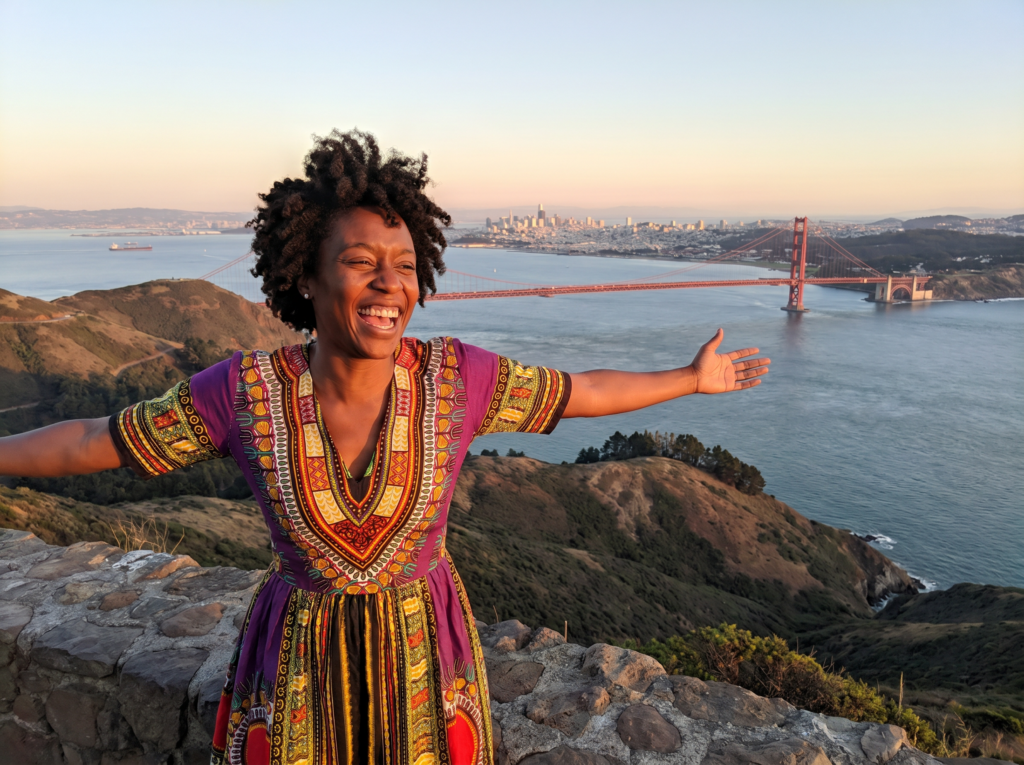
Taking part in things that enrich your mind, body, and spirit is a great way to keep you grounded and connected to your own body and experience. Self-care may look different for everyone but connect with hobbies and activities that refresh your soul. For me, that is often a concert, a day at the park, meditation, or rest. We spend so much time at work that it is important to be able to connect with our joy even amid the battle. Being able to recognize when you’re exhausted and struggling with emotional slave labor is critical and having a therapist who is willing to decolonize your experience can provide you with validation and life changing support.
One of the most radical forms of resistance against emotional labor is joy. Take your power back and be intentional about finding the moments of happiness, love, laughter and peace that exist in your every day life. Refuse to be robbed of the joy of your experience by getting intentional about where you place your energetic currency.
Refusing to stay silent is another form of resistance. This could look like advocating for change, diversity, equity, and inclusion within your workplace, and just because some companies have dissolved their programs does not mean you should stay silent about the need for it. Advocating for equality in the workplace for marginalized individuals may look like requesting workplace training on microaggressions and inclusion to limit workplace trauma. You can also ask for clarified job descriptions and expectations to help prevent burning you out.
The burden of emotional labor on Black Women is a product of white supremacy, systemic oppression, and workplace trauma inducing policies and ideology rooted in racism and centered around harvesting free labor from Black bodies, minds, and spirits. At a deeper level, it is spiritual warfare. If you are facing the oppressive demands of emotional labor, consider taking immediate action for the sake of self-protection and self-preservation. You may need to begin strategizing on how you will address the situation directly and unapologetically, and it may be time to dust off that resume and tap into your network to evaluate safer work options. Whatever it may be, center it around your health and well-being.
Berdahl, J. L., & Bhattacharyya, B. (2024). Do White Women Gain Status for Engaging in Anti-black Racism at Work? An Experimental Examination of Status Conferral: JBE. Journal of Business Ethics, 193(4), 839-858.
Durr, M., & Harvey Wingfield, A. M. (2011). Keep your “N” in check: African American women and the interactive effects of etiquette and emotional labor. Critical Sociology, 37, 557–571.
Kelly, Bridget Turner, et al. “Hidden in Plain Sight: Uncovering the Emotional Labor of Black Women Students at Historically White Colleges and Universities.” Journal of Diversity in Higher Education, vol. 14, no. 2, 2021, pp. 203–216, https://doi.org/10.1037/ dhe0000161.
Hurston, Z. N. (1998). Their eyes were watching God. New York, NY: Perennial Classics. (Original work published 1937)