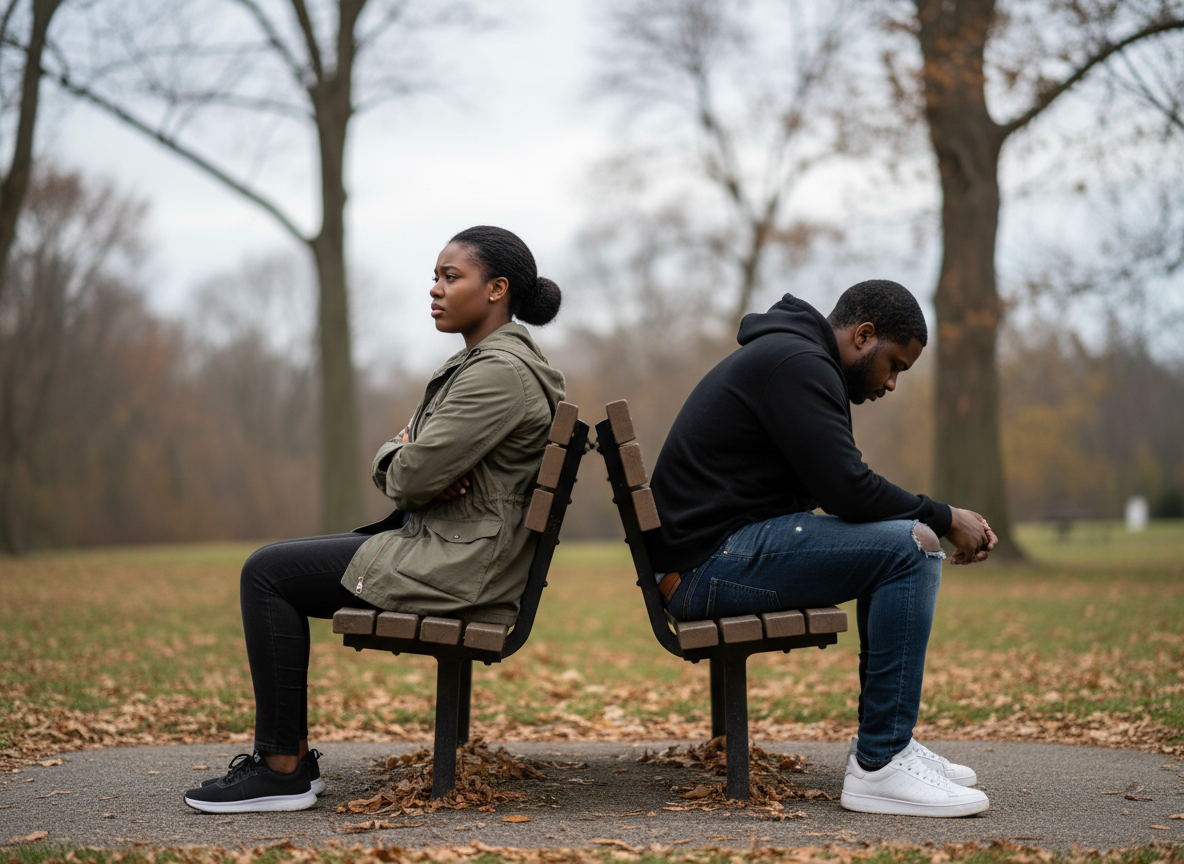


Many people wonder how to know when to start couples therapy and wonder if it’s right for them and their situation, and plenty more couples think couples therapy is something that you only consider when a relationship is in distress. In reality, most couples who benefit from therapy are not in distress, or on the brink of separation. However, many times, couples seeking support, are feeling stuck, disconnected, or unsure how to move forward in healthier ways.
Understanding when to start couples therapy can help prevent small issues from becoming deeply entrenched patterns within your relationship. This guide is designed to help you make that decision with clarity and love, not fear.
Couples therapy may be right for you if communication feels unsafe, unproductive and repetitive, or when emotional distance is growing due to unresolved issues that continue to resurface. Therapy and relationship counselling is a mutual place to help couples improve understanding, emotional safety, and connection at any stage of a relationship, not just during a crisis.
Couples therapy focuses on identifying how partners interact emotionally, what needs are present, and a way to evolve productive communication under stress. Rather than assigning blame, therapy examines patterns that keep couples feeling stuck, misunderstood, disconnected, or defensive.
Couples seek couples therapy to
For couples looking for structured support, couples therapy provides a space to slow down reactive patterns and build healthier ways of relating.

Research from the American Psychological Association shows that relationship counseling is effective across many stages of a relationship, including early intervention and maintenance.
Additionally, research from the American Psychological Association shows that relationship counseling is effective across many stages of a relationship, including early intervention and maintenance.
Couples who start therapy earlier often experience stronger outcomes than those who wait until trust or safety is severely damaged. Deciding when to start couples therapy should be a decision that is made when you see that your relationship needs support.
Deciding when to start couples therapy usually reflects commitment, not failure. Collectively making the decision when to start couples therapy is often chosen by partners who want to protect and strengthen their relationship rather than abandon it.
These 5 signs indicate that new tools and support may be needed, not that the relationship is broken or beyond repair.
Many couples delay making a decision on starting couples therapy hoping problems will resolve on their own. Unfortunately, avoidance often allows resentment, misunderstanding, and emotional withdrawal to deepen and grow. Knowing when to start couples therapy can save your relationship.
Early relationship counseling helps interrupt these patterns before they become deeply ingrained and harder to change.
Making a decision on when to start couples therapy typically begins with an assessment phase where both partners share their perspectives on the problem, express their desire for change and what that looks like, and set goals for change. This helps establish shared understanding rather than focusing on isolated conflicts.
A trauma-informed approach ensures therapy moves at a pace that feels manageable for both partners.
Individual trauma can strongly influence how partners respond to closeness, stress, or conflict.
Couples therapy that is trauma-informed helps partners understand these reactions as protective responses rather than personal flaws.
Curiosity and openness are often enough to begin.

Yes. It is common for partners to have different levels of readiness. Therapy does not require immediate certainty or agreement. A skilled therapist creates space for honest exploration without pressure.
Yes. Therapy can strengthen connection, communication, and emotional understanding even in stable relationships. Check-ins benefit couples by enabling them to be proactive before high conflict arises.
The length of couples counseling varies depending on goals, complexity, and consistency. Some couples see improvement within a few months, while others benefit from longer-term support. Your commitment to the process and consistency are key.
Yes. Therapists follow strict confidentiality and ethical guidelines.
Couples therapy is not about fixing someone or blaming them for the problems in a relationship. It is about creating understanding, emotional safety, and healthier ways of connecting. Whether you are experiencing conflict, distance, or uncertainty, relationship counseling offers a structured and supportive path forward.
If you are questioning whether couples therapy is right for you, that question itself is often a meaningful first step. You can begin with a free consultation to explore how couples therapy can support you and your partner.