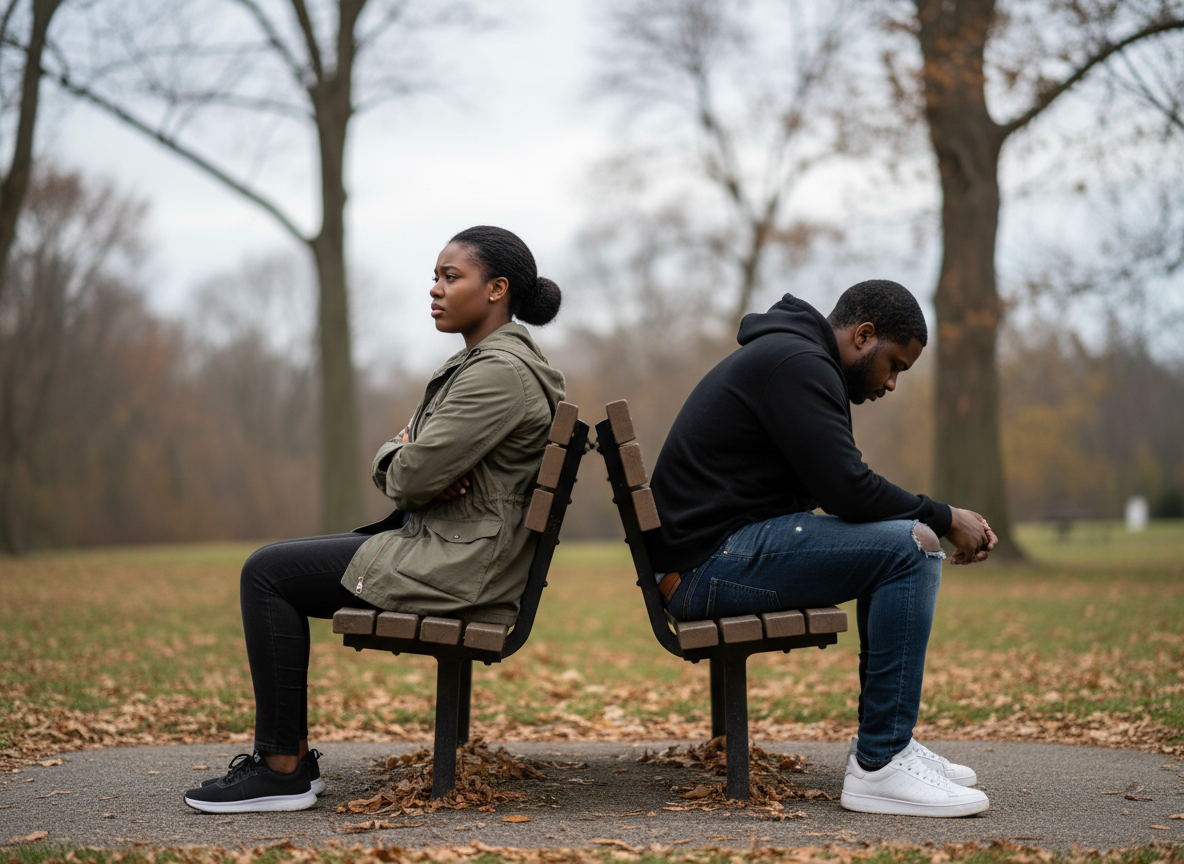


Holiday mental wellness becomes a major theme for those navigating the chaos or distance of family relationships and exchanges. The holidays are often described as a season filled with joy, comfort, and closeness, but holiday mental wellness is something many people quietly struggle with. While for some, this time of the year is one filled with joy, comfort, and closeness, there are many people that deal with intense anxiety and traumatic flashbacks connected to family gatherings and events.
Along with everything else that is already going on, for a lot of people, there is added pressure, emotional exhaustion, and old family patterns that resurface. If you’ve walked into a family get together mentally preparing yourself or practicing responses ahead of time, you are not alone. Many people experience the holidays this way.
Ambivalence is the presence of two opposing emotions such as joy and anger, or love and hate and this is a normal thing. That mixed feeling of warmth and tension are experienced regularly by people navigating the complex dynamics of family interactions. So know that there is nothing wrong with you when you experience this. It simply makes you human.
For many people, the holidays carry a blend of tradition, love, and emotional complexity. Family expectations can get heavy, and cause you to feel isolated, even in a room full of other people. For others who are navigating estrangement, or no-contact with, or distance from family can feel lonely and isolating. This happens especially if you’ve set boundaries or are seen by others as the responsible one, the strong one, the person who is expected to keep the peace, or the black sheep.
Even when attempting to set boundaries, navigating family chaos during the holidays can feel debilitating, stressful, and traumatic. You might feel pressure to contribute financially, conform to cultural expectations, or stay quiet about parts of your life that others don’t agree with out of fear of judgement. Comments that others might shrug off can sting when they cause old wounds or harmful generational patterns to resurface.
Conversations around identity, career, appearance, relationships, finances, or adulthood often bring up emotions tied to culture, family history, and responsibility. When racial trauma or immigration experiences are a part of your story, the emotional weight increases. This is why minority mental health support becomes especially important.

Before stepping into a family or social setting, it can be helpful to pause and check in with yourself. Take notice of what’s happening within your body. Do you notice anxiety showing up in the pit of your stomach or tightness in your shoulders? Doing regular body scans like the one linked here can help you connect with your body and identify changes as they occur.
You might ask what you are hoping for in this interaction, identify what usually triggers stress for you, or what moments you’re looking forward to. This kind of reflection is an act of self-acceptance, self-protection and grounding. It’s also a practice deeply rooted in multicultural counseling wellness within our practice, which acknowledges how culture and identity influence your emotional world.
Boundary setting can feel uncomfortable in BIPOC families where respect, enmeshment, collectivism, and obligation are deeply valued. Many of us grew up believing that saying “no” is disrespectful or that protecting our time and energy is selfish and unnecessary. In reality, boundaries are one of the most powerful tools for self-care. They help you remain emotionally grounded and allow you to show up in a healthier way for yourself and others.
Boundaries could involve limiting how long you stay at a function, declining certain topics, protecting your finances, or choosing not to engage in conversations that feel intrusive. Speaking up can feel uncomfortable at first, but with time, it becomes an easier act of reclaiming your peace and honoring your emotional needs. Boundaries don’t distance you from others, they help preserve your well-being by establishing how you want to be treated.
Many of us have experienced the uncomfortable comments from family about weight, relationships, career choices, or lifestyle decisions. Sometimes these comments come framed as jokes, but they are actually microaggressions and thinly veiled criticism. You might find yourself shrinking, shutting down, lashing out, or holding your breath as the conversation unfolds.
In moments like these, it’s good to remind yourself that you don’t have to participate. Every interaction is an agreement and you’re allowed to redirect the conversation, express discomfort, or excuse yourself for a short break. Taking a moment outside or stepping into a quiet room (even a restroom stall) can give your mind and body space to breathe. If these patterns feel familiar and painful, working with someone trained in family trauma or estrangement or culturally-centered therapy can help you unpack the emotions these moments bring up.
Even when you love your people deeply, navigating family chaos during the holidays can bring up unresolved emotions that you can process with a therapist the works specifically with family estrangement and no contact. You can process your painful family experiences, learn coping techniques, receive ongoing support to help you navigate trauma and stay centered.
Guilt is one of the heaviest emotions many people of color carry during the holidays. It may feel like your responsibility is to absorb discomfort for the sake of harmony but, healing means acknowledging your limits and honoring them without judgment and shame. Support from clinicians of color or ethnic minority therapists can make this process easier because they understand the cultural roots of this guilt.
If a gathering or family environment feels unsafe, tense, or emotionally draining, it’s completely okay to step back. Skipping an event, leaving early, or changing your holiday plans does not make you ungrateful. It makes you someone who is learning to care for themselves.
Distance can be part of healing. You can love your family while also choosing what is healthiest for your mind and spirit.
As you heal and evolve, your needs shift. You’re allowed to shape your holiday experience in a way that supports your present self. This might mean celebrating with close friends, creating new rituals, choosing a quieter holiday, mixing traditional practices with modern ones, or exploring what rest looks like for you, this time of year.
There is no single, right way to celebrate. The holidays can evolve as you do.
Once the season ends, allow yourself time to rest and decompress. Journaling, reconnecting with grounding practices, or speaking with a licensed therapist who specializes in minority mental health, trauma, or family issues can help you process any lingering emotions. Let go of guilt and acknowledge the courage it took to show up for yourself and others in difficult moments. You deserve grace as you recover from the intensity of the season.

Many individuals look for support through therapy to protect their holiday mental wellness. Searches for BIPOC mental health, therapy for people of color, culturally competent therapists, and POC mental healthcare providers increase as the holidays and other significant dates approach as individuals look for ways to support their holiday mental wellness.
Some families enter family therapy together, to work on communication, explore healthier ways of navigating holiday mental wellness, together, process emotions, and find healthier ways of connecting. The right therapist understands the layers of your racial identity, cultural loyalty, generational trauma, and spiritual connection that shape your emotional experience.
If you’re near Garland, Texas, you can connect with trauma recovery support from a Black therapist at Evolutions Mental Health and Wellness, who is culturally competent and can support you as you navigate family chaos during the holidays. You don’t have to do it alone. Having an experienced therapist who understands your lived experience can make life, healing, and your overall journey more manageable.
When searching for a therapist, consider whether you prefer someone who shares your cultural background or someone who has strong training in therapy for people of color. Think about what approach you connect with and whether virtual or in-person sessions might give you more privacy or convenience.. The right therapist will hold space for your emotions, honor your story and help you navigate your journey with compassion and awareness.
You deserve holiday mental wellness and peace. Managing your own emotional needs while also dealing with family chaos during the holidays is challenging for a lot of people, and even more so for communities where cultural expectations, identity, and generational patterns often collide. Your feelings are valid. Your boundaries matter. Your healing deserves to be a priority.
Whether you are searching for mental health resources for BIPOC, a healing space for Black Women, multicultural counseling, or racial trauma therapy, support is available. If you live in Texas, our practice offers culturally competent, trauma-informed mental health care from providers who understand your story.
You deserve a life experience that honors your peace, your identity, and your evolution. You can get started by scheduling a free consultation, today.