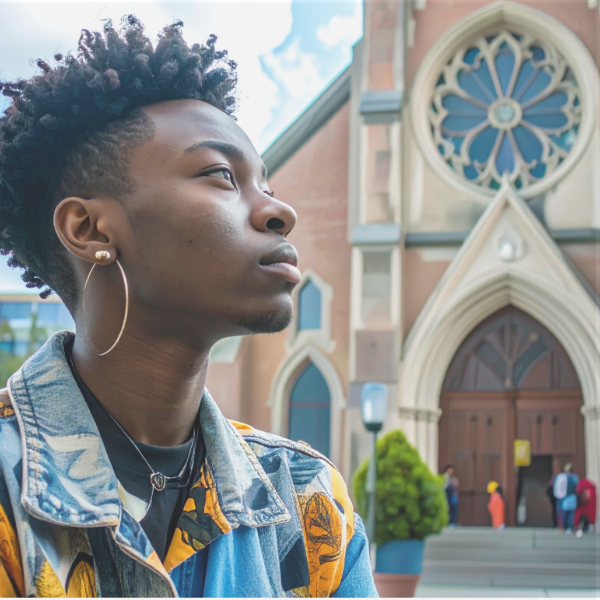
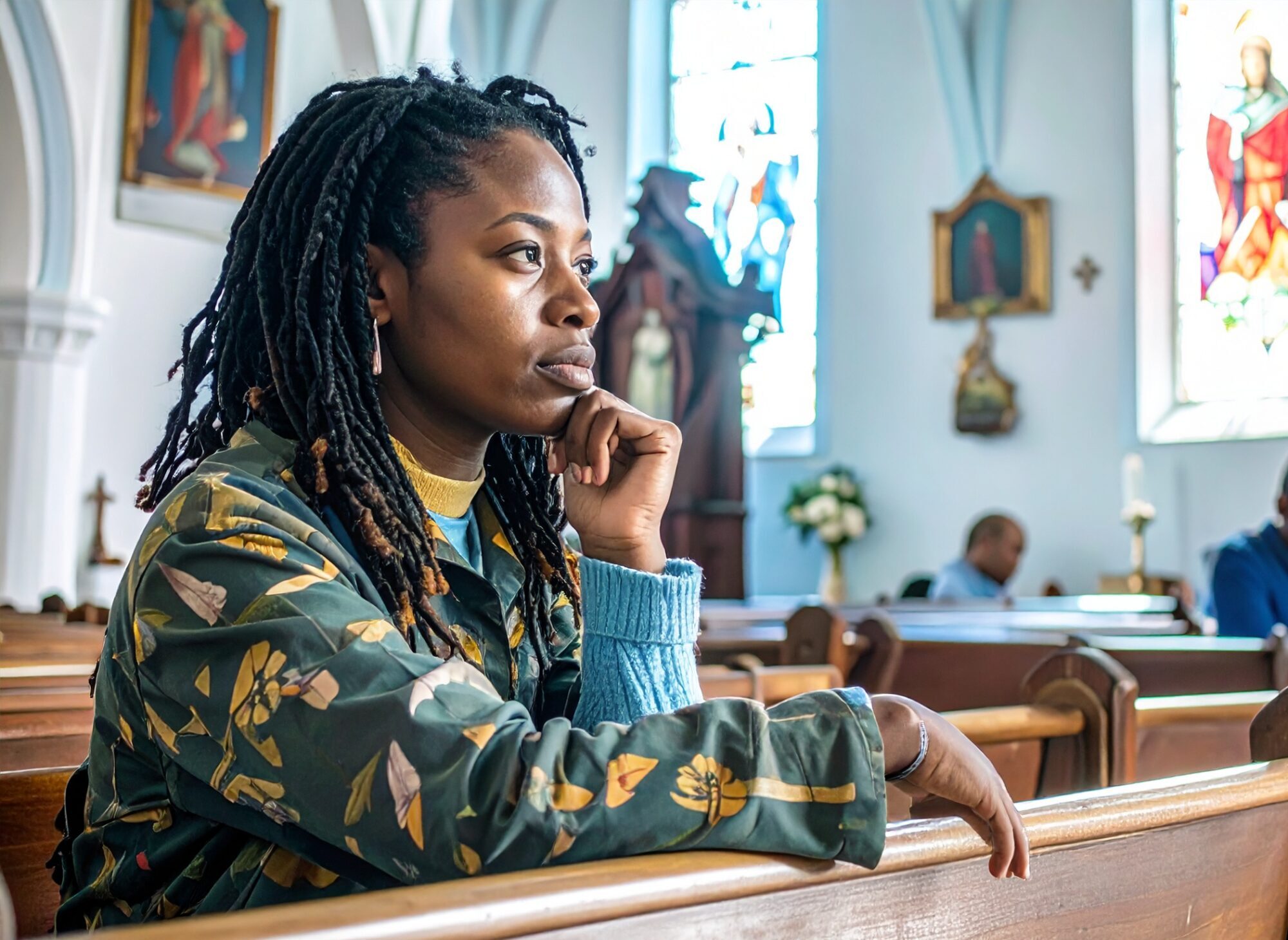
This service is for adults who are working through the emotional impact of harmful or restrictive religious experiences and cult recovery. Religious trauma therapy can help you process guilt, fear, identity confusion, and loss of community at your own pace.
Religious trauma can affect how you see yourself, your relationships, and your sense of safety in the world. At Evolutions Mental Health and Wellness, we offer religious trauma therapy for adults across Garland and throughout Texas, with both virtual and limited in-person options. Our approach is trauma-informed and culturally responsive, creating space for you to explore your experiences without pressure or judgment.
Religious trauma and cult recovery therapy is a form of counseling that supports people who have been impacted by harmful, controlling, or fear-based religious environments. This may include experiences related to strict belief systems, spiritual abuse, exclusion, or sudden loss of faith and community. Therapy focuses on helping you process these experiences while rebuilding a sense of identity, trust, and personal choice.
People often seek therapy for religious trauma when they begin to question long-held beliefs, feel disconnected from their past community, or notice ongoing anxiety, shame, or fear tied to religious teachings. Some are navigating boundaries with family, while others are working through grief, anger, or confusion after leaving a religious space.
We offer therapy for religious trauma through secure virtual sessions across Texas, as well as select in-person appointments in Garland. If you have been searching for religious trauma therapy near me or a therapist of color who understands the cultural and spiritual layers of your experience, this space is designed with that awareness in mind.
what we address
Common Signs You May Have Trauma From A Religious Experience
Trauma does not always look the same, and it can show up in ways that are easy to overlook or explain away.
• You've experienced harm or trauma through a religious system or cult.
• You experience tension or conflict with family tied to religion or spirituality belief systems.
• You struggle with a fear of punishment, judgment, or something bad happening if you go against past beliefs
• You feel anxious or confused when making decisions on your own.
• You notice difficulty trusting yourself or your instincts.
• You feel ongoing guilt or shame connected to choices that go against your spiritual belief system
• You feel disconnected from your identity, values, or sense of purpose.
• You feel grief, anger, or loss after leaving or questioning a religious or spiritual community.
• You avoid certain topics, places, or conversations because they feel overwhelming.
• You have trouble setting boundaries without feeling guilt or fear.
• You feel isolated, especially if others around you don't understand your experiences, questions, or beliefs.
If any of these feel familiar, you are not alone. These responses can come from real experiences that shaped how you see yourself and the world. Therapy can offer a steady space to make sense of what you have been through and to begin moving forward at your own pace.
This space is especially supportive if you are looking for a Black female therapist, a Black therapist near me, or a therapist of color who understands how culture, faith, and lived experience can intersect.
how therapy helps
How Therapy Supports Healing
Therapy for religious trauma creates a space where your experiences can be explored with care, without pressure or judgment. We move at a pace that feels safe for you, focusing on understanding how past experiences have shaped your thoughts, emotions, and responses. There is no blame in this process, only curiosity, clarity, and support as you begin to reconnect with yourself.
Religious trauma counseling may be right for you if you are on a journey of or would like to explore religious deconstruction, are experiencing shame, fear, anger, or confusion after changing your faith, are unsure what you believe but know that something needs to change, are struggling with identity apart from religion, need a space to explore your spirituality without judgment, or want to release shame and fear connected to your spirituality.
Healing does not happen all at once, and there is no right way to move through it. What matters is having a space where you can show up as you are and begin to make sense of your experiences in a way that feels steady and supportive.
• How past religious experiences may have shaped your beliefs and identity.
• Patterns of guilt, fear, or self-doubt that still show up today.
• The impact of spiritual or religious environments on your relationships.
• Your current values, boundaries, and sense of personal choice.
•Ways to rebuild trust in yourself and your decisions.
what to expect
What To Expect In Sessions
Sessions are used to explore religious and spiritual background, family connections and attachment. Some sessions may focus on processing emotions, while others may be used to explore experiences, relationships, and emotions as they present.
topics covered
• Religious guilt, shame, and fear.
• Identity exploration and self-trust.
• Boundaries with family or community.
• Deconstructing beliefs at your own pace."
• Grief, loss, and anger related to religious experiences.
• Rebuilding a sense of safety and autonomy.
our approach
Therapist Expertise and Approach
Our work is grounded in trauma-informed care, which means your safety, choice, and pace are always respected. We recognize that religious trauma can shape how you see yourself, your relationships, and your sense of belonging. Rather than focusing on what is right or wrong, therapy centers on understanding how your experiences have impacted you and what healing looks like for you personally.
Cultural responsiveness is a core part of this approach. Identity, culture, and lived experience all influence how religious experiences are felt and processed. Working with a therapist of color can offer space to explore these layers without having to explain or justify them. This includes understanding how race, community, and spiritual expectations may intersect in complex ways.
We also pay close attention to relational patterns, including how past environments may affect trust, boundaries, and communication today. The therapist's role is not to direct your beliefs or decisions, but to remain neutral and supportive as you explore your own values and meaning. This allows you to move forward in a way that feels aligned with who you are now, not who you were expected to be.
a client story
Real Results. Real Healing.
Candace has been a pleasure to work with. I don't know how I would have been able to get through this period of my life without her. She made opening up feel safe and easy. I'm so thankful for her wisdom and help"
— Trauma Therapy Client"
got questions?
Frequently Asked Questions
Religious trauma therapy is a type of counseling that helps you process harm linked to religious or spiritual experiences. It focuses on rebuilding safety, identity, and self-trust at your pace.
If you notice ongoing guilt, fear, identity confusion, or difficulty setting boundaries related to past beliefs, therapy for religious trauma may help you make sense of these patterns.
Sessions are conversational and guided by your needs. You can talk through past experiences, current challenges, and explore new ways of thinking, feeling, and responding.
Yes, virtual sessions are available across Texas. This allows you to access religious trauma therapy from your own space with flexibility and privacy.
Yes, limited in-person sessions are offered in Garland. You can choose the format that feels most comfortable for you.
Yes, therapy supports people who are questioning, leaving, or redefining their beliefs. You can explore your thoughts without pressure or judgment.
take the first step
You've Carried This Long Enough
If you are thinking about starting religious trauma therapy, you do not have to have everything figured out before reaching out. A consultation can give you space to ask questions, share what feels important, and see if this approach feels right for you.